
In summary:
- Focus on protein density, not just volume, choosing foods that pack more protein into every bite.
- Prioritize whole foods like Greek yogurt and fatty fish, as their natural structure enhances nutrient absorption.
- Make breakfast your most important protein meal to effectively trigger muscle synthesis for the day.
- Combat inflammation with smart food swaps to make your muscles more receptive to the protein you eat.
- Use strategies like batch cooking protein components to make assembling 30g protein meals quick and effortless.
Watching your muscle tone fade is disheartening, especially when your appetite just isn’t what it used to be. You hear the advice everywhere: “Seniors need more protein to fight sarcopenia,” but the idea of eating a large chicken breast or a huge steak feels impossible. The frustration is real: how can you possibly consume the recommended 30 grams of protein in a single meal when you feel full after just a few bites? Many turn to chalky protein shakes or simply give up, feeling that maintaining strength is a losing battle.
The common advice often misses the point. It’s not about forcing yourself to eat larger quantities; it’s about making every single bite more effective. The secret isn’t in volume, but in strategy and science. What if the key wasn’t eating *more*, but eating *smarter*? The solution lies in understanding protein density, nutrient synergy, and how your body actually absorbs and uses what you feed it. It’s about turning smaller, enjoyable meals into powerful tools for muscle retention.
This guide moves beyond generic advice. We will explore why your body prefers protein from whole foods over pills, uncover practical cooking strategies for solo eaters, and identify deliciously soft, nutrient-packed foods. We will also delve into the critical roles of inflammation and meal timing, giving you a complete, practical toolkit to deliciously and effectively meet your protein needs, no matter the size of your appetite.
This article provides a complete roadmap to achieving your protein goals through smart, practical, and enjoyable food strategies. The following sections break down exactly how to transform your meals to protect your muscle health and vitality.
Summary: Reaching Your 30g Protein Goal on a Smaller Appetite
- Food vs. Pills: Why Your Body Absorbs Calcium Better from Yogurt Than Tablets?
- Batch Cooking vs. Meal Kits: Which Strategy Reduces Food Waste for Solo Eaters?
- Soft but Nutrient-Dense: What to Eat When Chewing Steak Is No Longer an Option?
- The Inflammation Link: How Reducing Sugar Can Lower Your Arthritis Pain in 2 Weeks?
- Why Breakfast Is the Most Crucial Time to Eat Your Protein for Muscle Retention?
- Why Cutting Salt Isn’t Enough: The Potassium Factor You Are Probably Ignoring
- Delivery vs. Accompanied Shopping: Which Is Better for Cognitive Stimulation?
- How to Lower Your Blood Pressure by 10 Points Without Adding New Medication?
Food vs. Pills: Why Your Body Absorbs Calcium Better from Yogurt Than Tablets?
When you’re trying to maximize nutrition from a small meal, every ingredient counts. It’s tempting to rely on supplements to fill the gaps, but your body is far more intelligent than that. The concept of the food matrix is crucial here. Nutrients in whole foods, like the protein and calcium in yogurt, are packaged together in a natural structure. This synergy makes them more bioavailable, meaning your body can absorb and use them more effectively than isolated nutrients from a pill.
This isn’t just theory; it has powerful real-world effects. A landmark trial demonstrated this by increasing dairy intake in residential care facilities. The results were astounding. This simple dietary change, focusing on whole food protein and calcium, led to a 33% reduction in all fractures and a staggering 46% reduction in hip fractures in a matter of months. This proves that the combination of nutrients in their natural state provides a protective benefit that is hard to replicate with supplements alone.
Case Study: Dairy Intervention Reduces Fractures in Care Facilities
A randomized controlled trial in 30 residential care facilities showed that increasing dairy intake to reach 1142 mg calcium/day plus 69g protein reduced total fractures by 33% and hip fractures by 46% within just 3-5 months, demonstrating the rapid effectiveness of whole food protein-calcium combinations.
To harness this power, focus on foods where nutrients work as a team. Greek yogurt is a prime example, delivering high-quality protein, calcium, and probiotics in one package. Combining protein with smart carbohydrates also creates a ‘protein-sparing’ effect, allowing the protein to be used for muscle repair rather than energy. By choosing food first, you’re not just consuming nutrients; you’re leveraging your body’s natural ability to thrive.
Batch Cooking vs. Meal Kits: Which Strategy Reduces Food Waste for Solo Eaters?
Planning is everything when you’re cooking for one and aiming for high-protein goals. The two most popular strategies, batch cooking and meal kits, offer different paths to success. Meal kits provide convenience and portion control, which significantly reduces food waste. However, they often fall short on protein, with typical servings containing only 15-25g, making it hard to hit that crucial 30g target. Their cost per gram of protein is also substantially higher.
Batch cooking, on the other hand, puts you in complete control. By preparing high-protein components—like shredded chicken, a big pot of lentils, or a dozen hard-boiled eggs—at the start of the week, you create a “protein toolkit.” This allows you to easily assemble meals that meet your 30g target throughout the week without the effort of daily cooking. This method is not only more cost-effective but also minimizes waste, as components can be frozen and used as needed.
Protein Component Prep Success Strategy
The company Chefs for Seniors reports that clients who batch-prepare high-protein components (shredded chicken, hard-boiled eggs, cooked quinoa) can easily assemble 30g protein meals throughout the week. Their meal-planning system shows better adherence than daily cooking, with seniors maintaining adequate protein intake by having ready-to-reheat protein bases available.
The most effective method is often a hybrid approach. Use batch-cooked proteins as your meal base and supplement with fresh vegetables or pre-made sauces for variety. This combines the protein efficiency of batch cooking with the low mental load of a more structured plan, ensuring you hit your goals without getting bored or overwhelmed.
| Strategy | Protein Efficiency | Effort Level | Cost per 30g Protein | Food Waste |
|---|---|---|---|---|
| Batch Cooking Components | High customization (25-40g per meal) | High initial, low daily | $2-4 | Minimal with freezing |
| Meal Kits | Fixed portions (15-25g typically) | Low mental load | $8-12 | Low but less protein-dense |
| Hybrid Approach | Optimal (30g+ achieved) | Moderate | $4-6 | Very low |
Soft but Nutrient-Dense: What to Eat When Chewing Steak Is No Longer an Option?
Difficulties with chewing shouldn’t mean a downgrade in nutrition or flavor. The key is to shift your focus to foods that are both soft in texture and high in protein density. Forget bland, watery soups. Instead, think of elegant terrines, savory flans, and creamy, enriched purees. These foods are not only easy to eat but can be crafted to be exceptionally rich in protein, turning a limitation into a culinary opportunity.
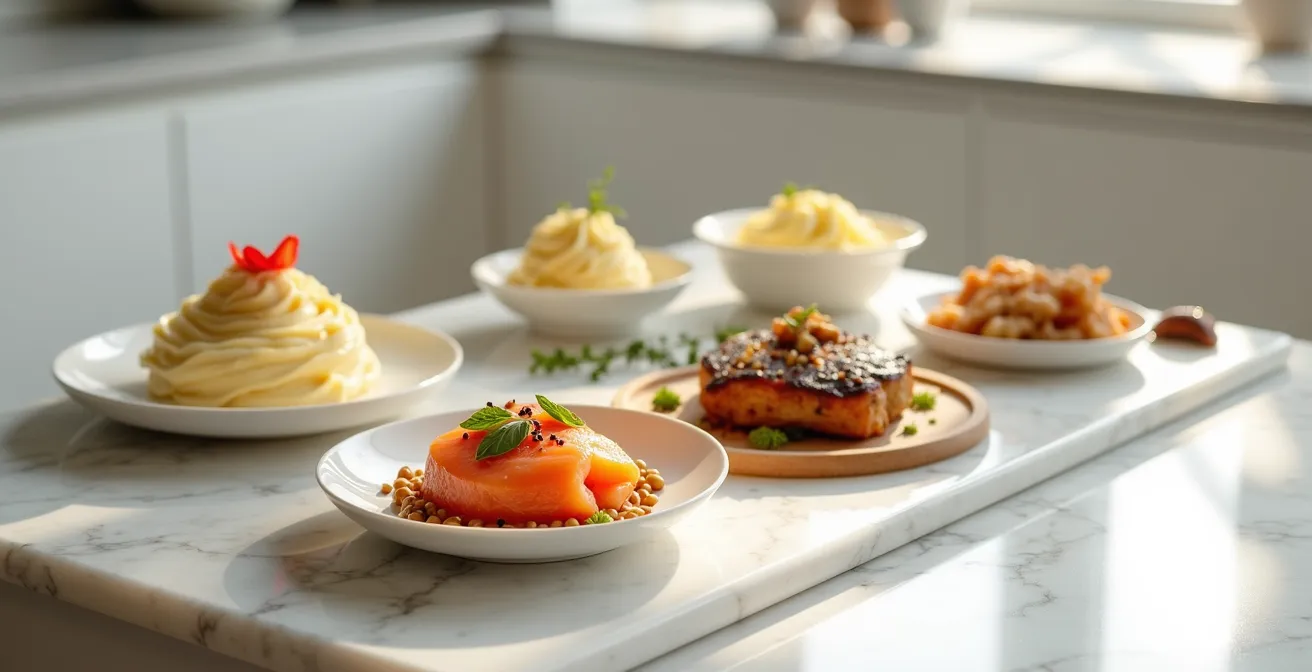
For example, Greek yogurt is a powerhouse, with some brands providing up to 24 grams of protein per cup in a smooth, easy-to-swallow format. Other brilliant options include slow-cooked meats that shred easily, fish like salmon that flakes with a fork, and legumes blended into rich hummus or dips. A clever trick is to use unflavored protein powder as a “fortifier,” invisibly boosting the protein content of mashed potatoes, creamy soups, or even oatmeal without altering their beloved taste or texture.
By using tools like a slow cooker or food processor, you can transform tough cuts of meat or firm vegetables into delicious, protein-packed meals. A savory flan made with eggs and pureed spinach can pack 18g of protein per serving, while cottage cheese blended into a tomato soup can add another 12g. It’s about being creative and seeing softness not as a restriction, but as a texture to master for maximum nutrient delivery.
Your 5-Step Audit to Master High-Protein Meals
- Meal Opportunities: List all your daily eating times (breakfast, lunch, dinner, snacks) where you can add protein.
- Current Protein Inventory: Log your typical meals for 3 days and highlight the existing protein sources.
- Goal Alignment: Compare your log against the 30g-per-meal goal and your food preferences (e.g., soft, anti-inflammatory).
- Enjoyment Factor: Identify which protein sources are enjoyable versus which feel like a chore. Find ‘upgrades’ for the chores.
- Integration Plan: Create a weekly menu that systematically replaces low-protein items with the high-density options from this guide.
The Inflammation Link: How Reducing Sugar Can Lower Your Arthritis Pain in 2 Weeks?
If you’re struggling with arthritis or other inflammatory conditions, you may have an invisible hurdle in your quest for muscle health: anabolic resistance. This is a state where your body’s muscles become less responsive to the protein you eat, no matter how much you consume. A primary driver of this resistance is chronic, low-grade inflammation, often fueled by a diet high in sugar and processed foods.
Chronic inflammation induces ‘anabolic resistance,’ making muscles less responsive to the protein consumed.
– Journal of the Academy of Nutrition and Dietetics, Protein requirements for muscle synthesis in aging adults
This means that fighting inflammation is not just for joint pain relief; it’s a critical strategy for making your protein intake count. By reducing sugar and focusing on anti-inflammatory foods, you are essentially “re-sensitizing” your muscles to protein, allowing them to repair and build tissue more effectively. The effect on pain can be surprisingly rapid, but the long-term benefit for muscle retention is just as significant.
Making strategic swaps is the easiest way to start. Replace sugary yogurts with plain Greek yogurt topped with antioxidant-rich berries. Choose fatty fish like salmon, which provides both high-quality protein and powerful anti-inflammatory omega-3 fatty acids. Snacking on walnuts or edamame instead of crackers or cookies gives you a dose of protein along with inflammation-fighting compounds. These small, consistent changes work together to lower your body’s inflammatory load, unlocking the full potential of the protein you eat and supporting both joint comfort and muscle strength.
- Replace sugary snacks with a handful of walnuts (omega-3s plus 5g protein)
- Choose Greek yogurt with berries over sweetened yogurt (24g protein, antioxidants)
- Swap white bread for lentil-based options (adds 8g protein plus anti-inflammatory fiber)
- Select fatty fish like salmon twice weekly (22g protein plus inflammation-fighting omega-3s)
- Add chia seeds to smoothies (3g protein plus anti-inflammatory ALA omega-3s)
- Use edamame as snacks instead of crackers (18g protein per cup with isoflavones)
Why Breakfast Is the Most Crucial Time to Eat Your Protein for Muscle Retention?
For older adults, protein timing is just as important as the total amount consumed. Think of your muscles like a construction site that closes overnight. After a long fast while you sleep, your body is in a state of muscle breakdown. Breakfast is your first and best opportunity to flip the switch back to “build” mode, a process known as muscle protein synthesis (MPS). But to do this effectively, you need to provide enough of the right building blocks.
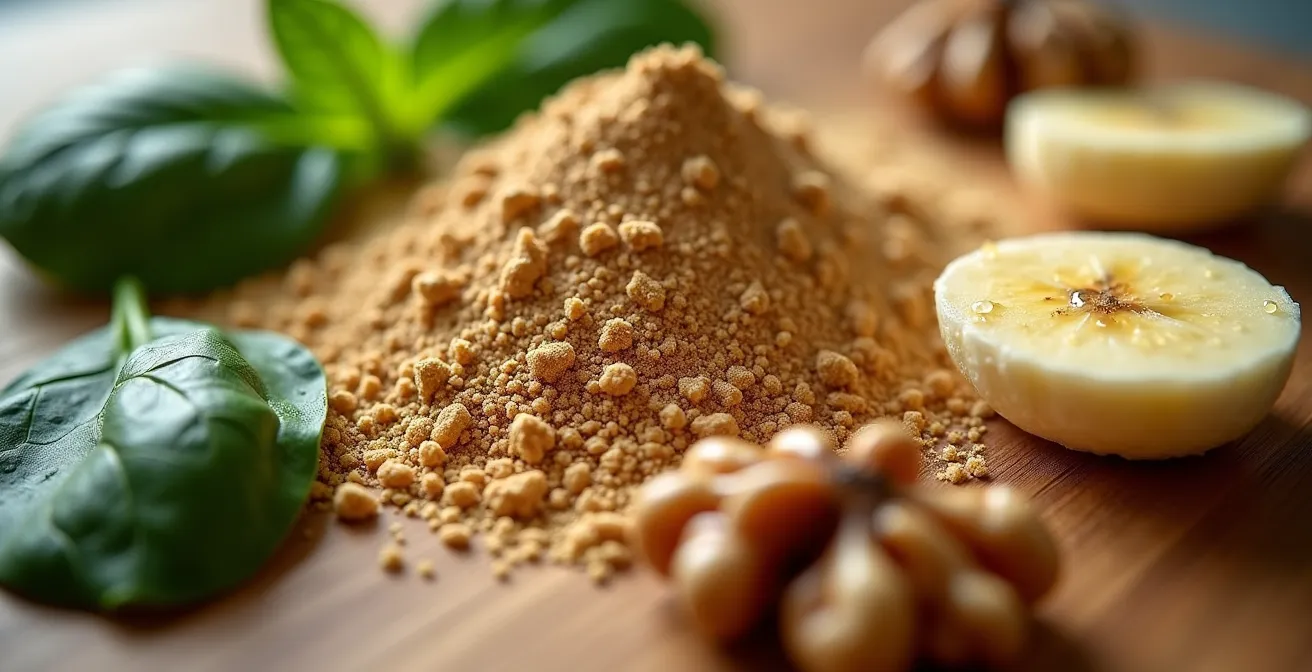
The key is an amino acid called leucine. Leucine is the primary trigger for MPS. Research has shown that older adults need a higher dose to get the same muscle-building response as younger individuals. Specifically, a meal needs to contain about 30 grams of high-quality protein to deliver the necessary amount of leucine to kickstart this process effectively. Skimping on protein at breakfast means you miss this critical window to halt muscle breakdown and initiate growth.
According to leading researchers in protein metabolism, this isn’t just a suggestion but a physiological necessity. As noted by Professor Don Layman’s research, older adults must cross this leucine threshold to stimulate muscle repair. The data shows that 2.5-3g of leucine is required to maximize the muscle-building signal, an amount typically found in a 30g serving of high-quality protein.
Spreading your protein intake evenly throughout the day is good, but front-loading it at breakfast is a superior strategy for muscle maintenance. A protein-rich breakfast—like a three-egg omelet with cheese, a large bowl of Greek yogurt with nuts and seeds, or a smoothie fortified with whey protein—ensures you start your day in an anabolic, muscle-building state. This single change can have the most significant impact on preserving your strength and vitality over time.
Why Cutting Salt Isn’t Enough: The Potassium Factor You Are Probably Ignoring
For decades, the primary advice for managing blood pressure has been to cut sodium. While important, this is only half of the story. The other, often-ignored, part of the equation is potassium. Potassium helps your body excrete excess sodium and relaxes the walls of your blood vessels, both of which actively lower blood pressure. The balance between sodium and potassium is what truly matters, not just the absolute amount of salt you consume.
For seniors focused on protein intake, this presents a fantastic opportunity for synergy. Many foods that are excellent sources of protein are also packed with potassium. This allows you to work on two major health goals—muscle maintenance and blood pressure control—with a single, delicious food choice. It’s the ultimate in nutrient-dense, efficient eating.
Look for these “double-win” foods. For instance, white beans are a plant-based champion, providing a staggering 18g of protein and over 1,000mg of potassium in a single cup. Fatty fish like salmon also deliver on both fronts; a typical serving of salmon provides 22g of protein alongside a healthy dose of potassium and heart-protective omega-3s. Other great options include lentils, edamame, and even Greek yogurt. By consciously including these foods, you’re not just cutting salt—you’re actively adding a powerful tool to your diet that works to keep your blood pressure in a healthy range.
- White beans: 1 cup provides 18g protein and 1,000mg potassium
- Salmon: 3oz serving offers 22g protein and 400mg potassium
- Edamame: 1 cup delivers 18g protein and 676mg potassium
- Greek yogurt: 1 cup contains 24g protein and 240mg potassium
- Lentils: 1 cup cooked gives 18g protein and 731mg potassium
Delivery vs. Accompanied Shopping: Which Is Better for Cognitive Stimulation?
In our quest for convenience, grocery delivery seems like a perfect solution, especially when energy is low. It minimizes physical strain and gets the job done. However, what we gain in ease, we may lose in other crucial, non-food benefits. Accompanied shopping—going to the store with a family member, friend, or caregiver—offers a powerful dose of cognitive and social stimulation that a delivery app simply cannot replicate.
The act of navigating a store, making choices, reading labels, and interacting with people is a gentle workout for the brain. It reinforces planning skills and executive function. Furthermore, the sensory experience of shopping—seeing colorful produce, smelling fresh bread, and browsing new products—can be a powerful, natural appetite stimulant. For someone with a diminished appetite, this engagement can be far more effective at sparking interest in food than scrolling through pictures on a screen.
Light physical activity, social interaction, and the mental task of planning meals act as powerful non-food appetite stimulants.
– Firefly Home Care Nutrition Experts, High Protein Soft Foods for Elderly Guide
While delivery is excellent for stocking up on heavy pantry staples, a hybrid strategy might be best. Use delivery for the basics, but plan one or two accompanied trips a week. These outings become more than just an errand; they are an activity that provides physical movement, social connection, and mental engagement. This approach transforms a chore into a therapeutic and appetite-boosting experience, making you more likely to discover new high-protein foods and feel motivated to prepare them.
| Approach | Physical Strain | Cognitive Benefit | Appetite Stimulation | Protein Discovery |
|---|---|---|---|---|
| Delivery Only | Minimal | Low | None | Limited to familiar items |
| Accompanied Shopping | Moderate | High | Strong (sensory engagement) | High (browse new options) |
| Hybrid Strategy | Low | Moderate-High | Moderate | Optimal balance |
Key takeaways
- Hitting 30g of protein per meal is a strategic goal to trigger muscle protein synthesis, not just an arbitrary number.
- Whole foods like dairy and fish are superior to supplements because their natural “food matrix” enhances nutrient absorption.
- Managing inflammation by reducing sugar is crucial, as it makes your muscles more receptive to the protein you consume.
How to Lower Your Blood Pressure by 10 Points Without Adding New Medication?
Achieving a significant reduction in blood pressure often seems to require a new prescription, but powerful, medication-free results are possible through targeted nutrition. This is especially true when protein goals are integrated with proven dietary patterns like the DASH (Dietary Approaches to Stop Hypertension) diet. The standard DASH diet is already effective, but when adapted for higher protein, it becomes a dual-action powerhouse for senior health.
The strategy involves focusing on protein sources that also contain compounds known to benefit cardiovascular health. Low-fat dairy products, for example, are not only great protein sources but also contain bioactive peptides that can naturally help lower blood pressure. Similarly, fatty fish provides both muscle-building protein and omega-3 fatty acids that improve vessel elasticity. Nuts and seeds offer arginine, an amino acid that helps your body produce nitric oxide, a molecule that relaxes blood vessels and improves blood flow.
DASH Diet Adapted for Protein Density
The National Council on Aging recommends adapting DASH diet principles with an increased protein focus for seniors. Successful implementations show combining 30g protein meals with DASH guidelines (rich in potassium, low sodium) leads to both improved muscle mass and blood pressure control, particularly when using dairy proteins containing bioactive peptides.
By building meals around these dual-duty foods, you create a synergistic effect. Your 30g protein target is met, protecting your muscles, while the added potassium, fiber, and healthy fats work to bring your blood pressure down. This integrated approach demonstrates that food is not just fuel; it’s powerful medicine that can address multiple health concerns simultaneously, offering a path to better health without adding another pill to your regimen.
To put these strategies into practice, the next logical step is to create a personalized meal plan that incorporates these high-density, nutrient-synergistic foods into your daily routine.