The independent senior living universe
Rethinking active life after 60
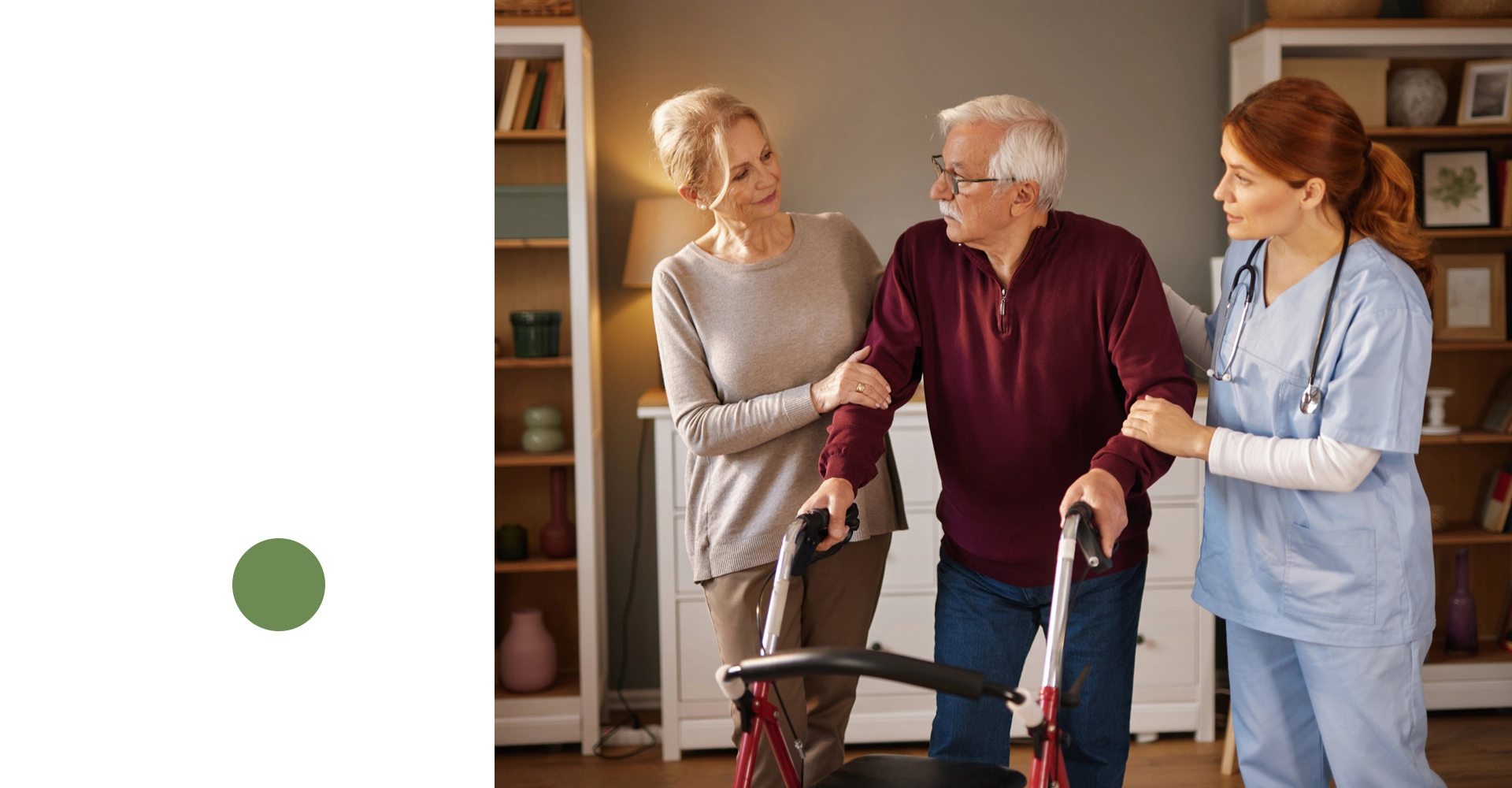
Offering autonomy through home safety mods, personalized care, and assistive gear to preserve dignity and well-being.


Preventive medical support for seniors
Geriatric support ensures chronic disease management, promotes home independence, and enhances longevity in later years.
Routine monitoring allows early detection of pathologies like hypertension or diabetes, ensuring optimal medication compliance to reduce interaction risks. Furthermore, clinical consultations offer advice on nutrition, physical activity, and lifestyle, helping prevent age-related complications.

01
Cultivating strong social connections
Nurturing relationships with community groups provides emotional support and reduces senior isolation risks.

02
Engaging in low-impact physical activity
Gentle exercise releases endorphins, improves mood, and helps reduce cognitive decline and anxiety.

03
Adopting restorative lifestyle habits
Quality sleep, a nutrient-rich diet, and stress management are essential for building emotional resilience.
Structural modifications for aging in place
Modifying the living space prevents falls, facilitates indoor mobility, and creates a secure environment, promoting home independence.
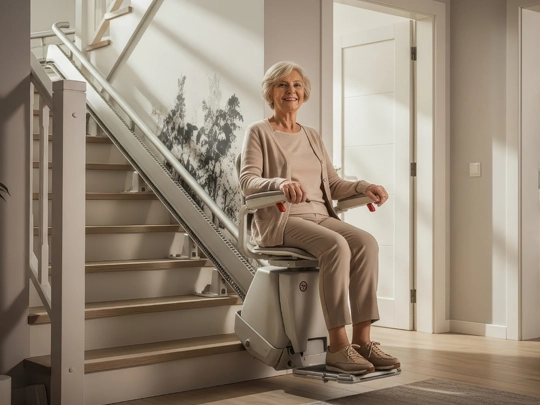
Home elevator or curved stairlift fitting
Provides safe access to multi-story floors without slip risks.

Widening doorways for accessibility
Facilitates circulation, particularly for power wheelchairs or rollators.
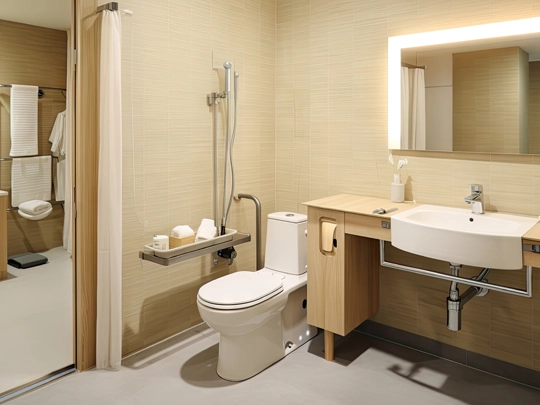
Senior-safe bathroom renovation
Replacing bathtubs with curbless walk-in showers, grab bars, and non-slip floors.
Prioritizing a safe home environment
Securing the home environment for lasting safety
Retrofitting a residence supports aging in place. Changes range from medical alert systems to structural alterations, addressing hazards. The goal is a functional living space that reduces fall risks and facilitates routines.
Improving daily mobility for seniors
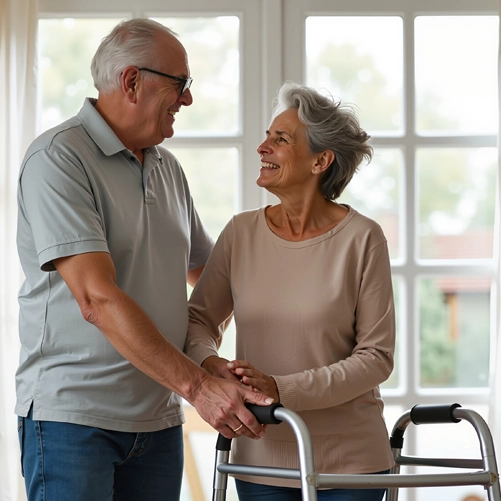
Ergonomic mobility aids allow seniors to move safely, reduce imbalance hazards, and maintain autonomy.
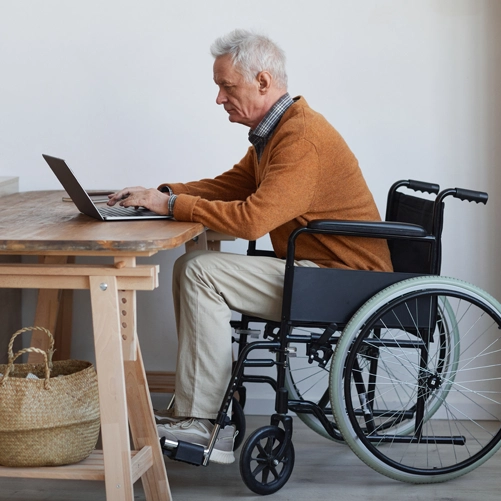
Manual and Electric Wheelchairs
Allow seamless movement indoors and outdoors, despite limited mobility.

Adjustable canes and walking sticks
Provide postural support and improve balance during daily trips.
Smart assistive technology in daily life
Hearing aids and vision tools overcome challenges.
Professional caregiver services
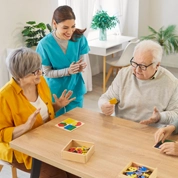
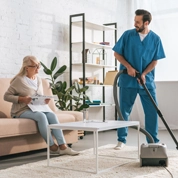
Home aides provide support with daily tasks, facilitating mobility, and ensuring a hygienic home environment.
01
Assistance with personal care
Help with transfers, bathing, grooming, feeding, or medication reminders.


02
Outdoor mobility accompaniment
Support with senior transportation, errands, medical appointments, or outings.
Understanding healthcare insurance and financial preparedness
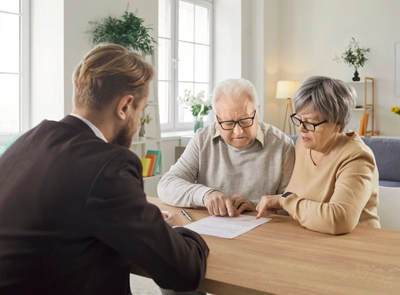
Financial planning involves reviewing policies to ensure coverage for health needs. Understanding coverage plans, supplemental options, and long-term care insurance is crucial for managing costs. A proactive approach to wealth management provides security.
Discovering the world after 60
Planning senior tourism involves accessible destinations, anticipating medical needs, and tailored activities for comfort and security.

Travel adapted to mobility needs
Choose PRM-friendly destinations with few steps, elevators, and facilities adapted for limited mobility.
Health repatriation insurance
Purchase specific senior travel insurance covering care, medical evacuation, and emergency assistance.

Organized group travel adventures
Select guided trips for seniors offering logistics, companions, and increased peace of mind.