Assistive Gear
Living independently becomes increasingly complex when physical capabilities change due to aging, chronic conditions, or mobility limitations. The right assistive gear can transform this challenge into an opportunity, enabling individuals to maintain autonomy, dignity, and comfort in their own homes. From simple modifications like strategically placed grab bars to sophisticated health monitoring systems, assistive equipment bridges the gap between limitation and capability.
The landscape of assistive gear has evolved dramatically. What once meant institutional-looking devices now encompasses stylish, discreet, and technology-enhanced tools that blend seamlessly into daily life. Understanding which equipment addresses specific needs—and how to select, maintain, and integrate these tools effectively—empowers seniors and people with reduced mobility to design living environments that support their unique requirements while preserving the activities and independence they value most.
Mobility and Movement Support Equipment
Mobility aids represent the foundation of assistive gear, directly impacting an individual’s ability to navigate spaces safely and confidently. The right equipment reduces fall risk while preserving energy for the activities that matter most.
Walking Aids and Supportive Footwear
Canes, walkers, and rollators serve different purposes depending on balance needs and endurance levels. A standard cane provides minimal support for those with slight balance concerns, while quad canes offer a wider base for improved stability. Walkers create a stable frame for those requiring more substantial support, and rollators add wheels and often a seat, enabling users to rest during longer excursions.
Aesthetics matter more than many realize. Modern canes come in diverse styles, colors, and materials, allowing users to express personality rather than simply signal limitation. This psychological dimension significantly impacts willingness to use mobility aids consistently.
Footwear plays an equally critical role. Indoor shoes must provide non-slip soles, proper arch support, and easy fastening mechanisms. For individuals managing diabetes, specialized footwear prevents pressure points that could develop into serious complications. The ideal diabetic shoe features seamless interiors, extra depth to accommodate custom orthotics, and materials that reduce friction.
Transfer and Positioning Equipment
Moving between surfaces—bed to wheelchair, wheelchair to toilet, standing to sitting—presents significant injury risk. Transfer benches bridge the gap over bathtub edges, allowing users to sit while swinging legs over rather than stepping over a hazardous threshold. Seat lifts mechanically assist the sit-to-stand transition, reducing strain on joints and caregivers alike.
Wheelchair users face unique considerations beyond basic mobility. Maintaining tires and wheels prevents unexpected breakdowns, while proper cushion selection addresses pressure distribution to prevent skin breakdown during extended sitting. Customizable controls adapt wheelchairs to specific physical capabilities, whether that means joystick sensitivity adjustments or alternative input methods.
Home Environment and Safety Adaptations
The built environment significantly influences independence. Strategic modifications transform standard homes into spaces that accommodate changing needs without requiring institutional settings.
Structural and Furniture Modifications
Furniture height dramatically affects usability. Chairs that are too low make standing difficult and painful; beds positioned incorrectly complicate transfers and worsen conditions like acid reflux. Adjustable-height furniture or simple risers can restore accessibility. Many individuals find that raising bed height by just 3-4 inches eliminates the struggle of morning rising while improving circulation during sleep.
Chronic conditions often demand specific environmental adaptations. Someone managing respiratory issues benefits from reducing dust-collecting textiles, while individuals with limited mobility require clear pathways wide enough for assistive devices. These aren’t temporary accommodations but thoughtful redesigns that anticipate evolving needs.
Safety Monitoring and Environmental Optimization
Environmental hazards often hide in plain sight: loose rugs, inadequate lighting, cords crossing pathways, or slippery bathroom surfaces. A comprehensive safety assessment identifies risks before they cause falls. Simple additions like motion-activated night lights, contrasting tape on step edges, or removing threshold transitions can prevent the majority of home accidents.
For those with low vision, environmental optimization extends beyond corrective lenses. High-contrast markings on appliance controls, tactile indicators on frequently used items, and strategic lighting placement compensate for reduced visual acuity. These modifications enable continued independence in cooking, cleaning, and self-care activities that standard glasses alone cannot fully restore.
Health Monitoring and Medical Technology
Autonomous health tracking empowers individuals to manage chronic conditions proactively rather than reactively. The shift from periodic clinical measurements to continuous home monitoring provides richer data and earlier intervention opportunities.
Blood pressure monitors exemplify this transformation. Selecting the right device requires understanding the difference between upper arm and wrist models, automatic versus manual inflation, and memory functions that track trends over time. Upper arm monitors generally provide more accurate readings, while wrist devices offer portability for those with limited dexterity or larger arm circumferences that exceed standard cuff sizes.
Smart alert systems extend monitoring beyond manual measurements. Devices can now detect irregular heart rhythms, significant blood pressure fluctuations, or dangerous blood glucose levels, automatically notifying users or caregivers. Setting up these alerts requires balancing sensitivity—catching genuine concerns without triggering false alarms that create anxiety or alert fatigue.
Device maintenance often determines whether health monitoring remains reliable. Understanding battery life expectations, calibration requirements, and troubleshooting common failures prevents gaps in critical health data. A blood pressure monitor that’s three years past its recommended calibration may provide false reassurance or unnecessary worry, making maintenance schedules as important as the measurements themselves.
Sensory Assistance: Vision and Hearing Solutions
Diminished sensory capabilities profoundly impact social connection and safety. Assistive technology increasingly addresses these challenges with sophistication that previous generations could never access.
Hearing Enhancement Devices
The hearing aid market presents overwhelming complexity, with devices ranging from basic amplification to artificial intelligence-powered sound processing. Understanding the fundamental categories helps navigate this landscape: behind-the-ear (BTE), in-the-ear (ITE), and completely-in-canal (CIC) models each balance visibility, battery life, and functionality differently.
Managing background noise represents one of the greatest challenges. Modern devices use directional microphones and noise cancellation algorithms, but users must still learn to optimize settings for different environments—restaurants require different configurations than quiet conversations. Regular maintenance, including cleaning ports and replacing wax guards, prevents performance degradation that users often attribute to hearing loss progression rather than device neglect.
Battery anxiety affects daily routines more than anticipated. Rechargeable models eliminate the frustration of tiny disposable batteries but require nightly charging discipline. Understanding realistic battery life—typically 16-20 hours for rechargeable models—helps users plan backup solutions for extended outings.
Low Vision Adaptations
When standard corrective lenses no longer suffice, environmental and technological adaptations preserve independence. Audio description technology narrates visual content, from television programs to medication labels, enabling continued engagement with media and accurate medication management.
Physical modifications complement technological solutions. High-contrast markings on appliances, enlarged print labels, and magnification tools for reading create a comprehensive support system. These adaptations work synergistically—audio confirmation combined with high-contrast visual cues provides redundancy that increases accuracy and confidence.
Smart Technology and Automation for Independence
Voice control and home automation bypass physical limitations that once restricted independence. These technologies democratize access to environmental control, communication, and organization for individuals with limited mobility, vision, or dexterity.
Voice assistants now manage tasks that previously required multiple steps and fine motor control. Setting medication reminders, controlling lighting and temperature, making phone calls, or creating shopping lists become accessible through simple voice commands. The key lies in simplifying the interface—reducing complexity to essential functions prevents overwhelming users who may feel intimidated by technology.
Tracking systems address one of the most frustrating aspects of cognitive changes or vision loss: misplaced items. Small Bluetooth tags attached to keys, wallets, glasses, or phones enable location through smartphone apps or voice commands. For individuals experiencing mild cognitive changes, this technology provides peace of mind and reduces the stress of daily routines.
Automation extends beyond the home’s interior. Robotic lawn care maintains outdoor spaces without requiring physical exertion or fall risk on uneven terrain. These devices operate autonomously, preserving home aesthetics and neighborhood relationships without demanding capabilities that may no longer be safe or comfortable.
Comfort, Posture and Rest Optimization
Prolonged sitting and sleep disturbances create cascading health effects. Targeted assistive gear addresses these foundational needs, preventing secondary complications.
Seating and Posture Support
Sedentary alignment affects far more than comfort—poor posture contributes to chronic pain, digestive issues, and respiratory compromise. Lumbar cushions restore the spine’s natural curve during extended sitting, reducing pressure on intervertebral discs and supporting core muscles that fatigue throughout the day.
Cushion selection requires assessing individual needs: memory foam provides contouring comfort, gel cushions prevent heat buildup and pressure points, while air-filled cushions offer adjustable firmness. Wheelchair users particularly benefit from specialized cushions that distribute weight across a larger surface area, preventing pressure ulcers during extended sitting periods.
Sleep Environment Equipment
Age-related sleep fragmentation stems from multiple factors—discomfort, environmental noise, breathing difficulties, or circulation issues. White noise machines mask disruptive sounds without requiring earplugs that may feel uncomfortable or create safety concerns about missing important alerts.
Pillow selection dramatically impacts sleep quality and morning pain levels. Cervical pillows support neck alignment for side sleepers, wedge pillows reduce acid reflux and breathing difficulties, while adjustable pillows accommodate changing comfort needs throughout recovery from injuries or surgeries. Bed posture adjustment—elevating the head or legs—addresses specific conditions like edema, sleep apnea, or GERD without requiring expensive adjustable bed frames. Simple wedges or bed risers often provide sufficient modification.
Overcoming Psychological and Practical Barriers
The most sophisticated assistive gear fails if psychological resistance prevents consistent use. Many individuals delay adopting helpful devices due to stigma, complexity concerns, or denial about changing capabilities.
Emergency alert devices exemplify this challenge. Despite proven effectiveness in reducing serious fall consequences, many resist wearing these devices due to aesthetics or the psychological admission of vulnerability. Modern devices increasingly resemble ordinary jewelry or watches, addressing appearance concerns while incorporating sophisticated fall detection technology that activates automatically rather than requiring the user to press a button.
Interface complexity creates another barrier. Devices with multiple buttons, small screens, or counterintuitive controls frustrate users and often sit unused. Testing range limits, understanding realistic capabilities, and customizing settings during low-stress periods—rather than during emergencies—builds confidence and ensures devices function as intended when needed most.
Successfully integrating assistive gear requires viewing these tools not as symbols of limitation but as enablers of continued independence. The wheelchair user who can navigate community spaces independently, the individual with low vision who can safely prepare meals, or the person managing multiple chronic conditions who catches concerning trends before they become emergencies—these individuals leverage assistive gear to maintain the life they value rather than accepting unnecessary restrictions.

Magnifying Glass vs. Digital Zoom: Which Reading Aid Is Better for Macular Degeneration?
The debate over magnifiers versus digital zoom misses the real solution for macular degeneration: the most powerful tool isn’t a device, but a personalized “adaptive ecosystem.” Simple environmental changes like high-contrast place settings and strategic task lighting often provide more…
Read more
OTC vs. Prescription Hearing Aids: Is Saving $2,000 Worth the Risk of Poor Fit?
The $2,000 you “save” on over-the-counter (OTC) hearing aids could be the most expensive gamble you ever take with your long-term brain health and personal safety. OTC devices bypass professional fitting, which is crucial for overcoming the initial adaptation period…
Read more
Amazon Alexa vs. Google Home: Which Voice Assistant Is Better for Seniors with Speech Issues?
The best voice assistant for a senior with speech or motor challenges is not the one with the most features, but the one that ensures the highest reliability with the least frustration. Google Assistant generally offers slightly better voice recognition…
Read more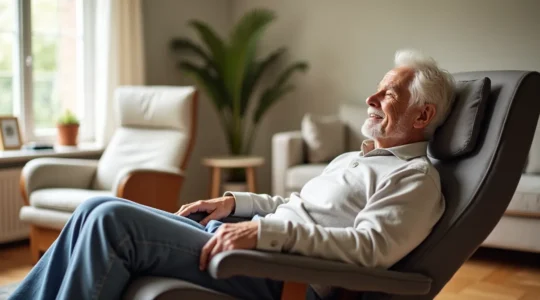
Recliner or Zero Gravity Chair: Which Is Better for Reducing Lower Back Swelling?
Choosing the right chair for swelling isn’t just about lifting your legs; it’s about correcting a ‘postural cascade’ that impacts your entire body. Zero gravity chairs offer superior circulatory decompression by achieving a state of gravitational neutrality. Slouching in traditional…
Read more
Why 80% of Seniors Refuse to Wear Their Alert Button Even After Buying It?
The resistance to wearing a medical alert device isn’t about forgetfulness; it’s a psychological battle against the perceived loss of independence. Modern designs like watches reduce the “patient stigma” and make the device a tool of empowerment, not a symbol…
Read more
How to Choose a Mattress That Relieves Hip Pain for Side Sleepers Over 60?
The solution to chronic hip pain for side sleepers over 60 is not just a ‘medium-firm’ mattress, but engineering a complete sleep ecosystem that actively counteracts age-related sleep disruption. Your mattress must provide zoned support to allow your hips and…
Read more
What health metrics should you actually track to catch problems early?
In summary: Prioritize clinical accuracy over convenience; a doctor is more likely to trust data from an upper-arm blood pressure cuff than a wrist monitor. Curate your health data into a concise, one-page summary with context before sending it to…
Read more