Accessibility Mods
For millions of people worldwide, everyday activities like entering a home, navigating hallways, or using a bathroom can present significant challenges. Accessibility modifications—often called accessibility mods—are purposeful adaptations to living spaces, workplaces, and public areas that remove barriers and create environments where everyone can function independently, regardless of physical, sensory, or cognitive abilities.
Whether you’re a senior wanting to age safely in your own home, a person with mobility limitations seeking greater freedom, or a caregiver supporting a loved one, understanding the landscape of accessibility modifications empowers you to make informed decisions. This article explores the essential types of modifications available, their transformative benefits, and practical considerations for planning your accessibility project with confidence.
Understanding Accessibility Modifications
Accessibility modifications are physical changes or additions to an environment designed to accommodate individuals with varying abilities. Unlike temporary solutions, these are typically permanent or semi-permanent alterations that fundamentally improve how a space functions for its users.
These modifications span a wide spectrum. In residential settings, they might include installing a wheelchair ramp at the entrance, widening doorways to accommodate mobility devices, or replacing a bathtub with a walk-in shower. In workplaces, modifications could involve adjustable-height desks, specialized lighting, or acoustic treatments. Public spaces benefit from automatic doors, tactile paving, and visual alert systems.
What distinguishes effective accessibility modifications is their person-centered approach. Rather than applying one-size-fits-all solutions, the most successful modifications are carefully tailored to an individual’s specific needs, lifestyle, and the unique characteristics of their environment. A modification that enhances independence for one person might be unnecessary for another, which is why assessment and planning are crucial first steps.
Why Accessibility Modifications Transform Lives
The impact of thoughtfully implemented accessibility modifications extends far beyond simple convenience—they fundamentally reshape quality of life. Research consistently demonstrates that environmental barriers significantly limit participation in daily activities, while appropriate modifications restore autonomy and dignity.
Independence stands as perhaps the most profound benefit. When individuals can navigate their homes without assistance, perform personal care tasks privately, and access all areas of their living space, they maintain control over their daily routines and decisions. This self-sufficiency directly correlates with improved mental health, higher self-esteem, and greater life satisfaction.
Safety represents another critical dimension. Falls are a leading cause of injury among older adults and people with mobility challenges, with many occurring in homes lacking proper support features. Strategic placement of grab bars near toilets and in showers, elimination of tripping hazards through level thresholds, and improved lighting can reduce fall risk by up to 50% according to occupational therapy research.
The concept of “aging in place”—remaining in one’s own home throughout the aging process—has become increasingly important to many individuals. Accessibility modifications make this goal achievable by adapting homes to accommodate changing abilities over time. Consider the example of Margaret, a 72-year-old who developed arthritis: simple modifications like lever-style door handles (replacing round knobs), a raised toilet seat, and a handheld showerhead allowed her to remain comfortably independent in the home she’d lived in for forty years, avoiding the emotional and financial costs of relocating.
Essential Mobility Modifications
Mobility-related modifications address the most common accessibility challenges and form the foundation of most home adaptation projects. These modifications focus on creating barrier-free movement throughout a space.
Ramps and Level Transitions
Steps and stairs create significant barriers for wheelchair users, individuals with walkers, and those with balance concerns. Entrance ramps provide a sloped alternative that accommodates wheeled mobility devices and reduces fall risk. Proper ramps require careful design: a gradient no steeper than 1:12 (one inch of rise for every twelve inches of length), non-slip surfaces, and handrails on both sides for safety.
Interior modifications often involve creating level transitions between rooms by removing raised thresholds or installing miniature ramps. Even a half-inch threshold can catch a walker wheel or create a tripping hazard, so eliminating these obstacles significantly improves daily navigation.
Doorway and Hallway Widening
Standard doorways measuring 24-28 inches wide are insufficient for wheelchairs, which typically require a minimum of 32 inches of clear passage (36 inches is ideal). Doorway widening involves reframing the opening to accommodate mobility devices. While this modification requires more construction work than others, it’s transformative for wheelchair users who would otherwise be excluded from portions of their home.
Hallway widening follows similar principles, with 36 inches representing the minimum comfortable width for straight passage and 60 inches needed for wheelchair turning spaces in bathrooms and kitchens.
Grab Bars and Support Rails
Perhaps the most cost-effective and widely beneficial modification, grab bars provide crucial support during transfers and balance challenges. Strategically placed bars near toilets assist with sitting and standing, while shower grab bars prevent slips on wet surfaces. The key to effectiveness lies in proper installation—grab bars must be anchored into wall studs or reinforced backing, not just drywall, to support body weight safely.
Continuous handrails along hallways offer steady support for those with balance concerns, creating “safe pathways” through the home. Unlike furniture or walls, properly installed rails are designed specifically to bear weight during a stumble.
Sensory and Cognitive Adaptations
While mobility modifications receive considerable attention, sensory and cognitive accessibility adaptations are equally important for comprehensive accessibility.
Visual Accessibility Features
For individuals with low vision or visual impairments, environmental modifications can dramatically improve navigation and safety. Enhanced lighting—particularly task lighting in kitchens and bathrooms, combined with reduced glare from matte surfaces—makes spaces more usable. Color contrast at edges and transitions (such as contrasting stair nosings or door frames) helps define spatial boundaries.
Tactile markers on controls, large-print labels, and strategic use of texture provide non-visual information. Many people find that eliminating busy patterns in flooring and walls reduces visual confusion and makes spaces easier to navigate.
Hearing and Communication Aids
Individuals with hearing loss benefit from visual and tactile alert systems that replace auditory cues. Doorbell systems with flashing lights, vibrating alarm clocks, and smoke detectors with strobe lights ensure important information isn’t missed. Acoustic modifications—such as reducing echo in large spaces through soft furnishings and sound-absorbing materials—improve the clarity of speech and other sounds for those using hearing aids.
Open floor plans that allow for clear sightlines facilitate communication through lipreading and sign language, eliminating the barrier of walls that block visual contact.
Smart Technology for Enhanced Accessibility
The integration of smart home technology has opened exciting new possibilities for accessibility modifications that were unimaginable just a decade ago. These assistive technologies complement physical modifications and often provide solutions for individuals who cannot perform certain actions due to strength, reach, or dexterity limitations.
Voice-activated controls allow individuals to operate lights, thermostats, door locks, and entertainment systems without physical manipulation. For someone with limited hand function due to arthritis or a spinal cord injury, saying “turn on the bedroom light” eliminates the need to reach and manipulate a switch. Smart home hubs like voice assistants have become powerful accessibility tools, controlling entire ecosystems of connected devices.
Automated systems provide another layer of accessibility. Motorized window treatments operate at the touch of a button or on programmed schedules, eliminating the reach and strength required for manual blinds. Automatic door openers—similar to those in commercial buildings—can be installed in homes, allowing wheelchair users or individuals carrying items to pass through without manually opening doors.
Consider the example of James, who has limited upper body mobility following a stroke: a combination of voice-controlled lights, a video doorbell he can answer from his phone, and automated door locks has allowed him to maintain independent living. These technologies compensate for physical limitations by shifting control from manual manipulation to voice commands and smartphone interfaces he can manage.
Planning Your Accessibility Project
Successful accessibility modifications begin with thoughtful planning rather than impulsive purchases. A structured approach ensures modifications address actual needs while maximizing the return on your investment of time and resources.
Start with a comprehensive needs assessment. Walk through your space and identify specific barriers: Where do difficulties occur? Which activities are challenging or unsafe? Consider both current needs and anticipated future changes in abilities. An occupational therapist can provide professional assessment, identifying barriers you might overlook and recommending evidence-based solutions.
Prioritization comes next. Not all modifications need to happen simultaneously, and limited budgets often require phasing projects over time. Focus first on safety-critical modifications that prevent injuries—grab bars in bathrooms and improved lighting typically offer the highest immediate benefit. Independence-enhancing modifications that enable key daily activities (such as accessible bathing solutions) follow in priority, with convenience modifications last.
Budget considerations vary dramatically depending on project scope. Simple modifications like installing grab bars or replacing door handles might cost a few hundred dollars and can be DIY projects for handy individuals. Mid-range projects such as walk-in showers or entrance ramps typically run several thousand dollars and benefit from professional installation. Extensive renovations involving doorway widening or bathroom reconfiguration can reach tens of thousands of dollars.
Research available funding assistance to reduce out-of-pocket costs. Many regions offer grants, tax credits, or low-interest loans for accessibility modifications. Veterans’ benefits, disability insurance policies, and nonprofit organizations often provide financial assistance for qualifying individuals. Professional modification specialists familiar with your area can guide you toward relevant programs.
Finally, decide between professional installation and do-it-yourself approaches based on project complexity and your capabilities. While installing grab bars might be within reach for experienced DIYers, structural changes like ramps and doorway widening require professional expertise to ensure safety, code compliance, and proper function. The investment in professional assessment and installation often pays dividends in effectiveness and longevity.
Accessibility modifications represent investments in independence, safety, and quality of life. Whether you’re addressing current challenges or proactively preparing for future needs, the landscape of available modifications offers solutions for virtually every accessibility barrier. By understanding the types of modifications available, their benefits, and approaches to planning implementation, you’re equipped to create environments where ability, not disability, defines what’s possible. The journey toward greater accessibility begins with a single modification—and the transformation it brings often inspires continued improvements that compound over time.
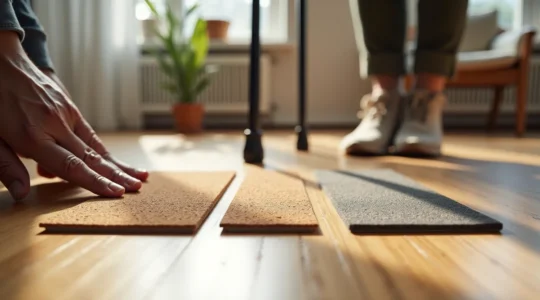
Cork, Vinyl, or Rubber: Which Flooring Material Is Best for Reducing Impact if You Fall?
The safest flooring isn’t just the softest; it’s the one with the best scientifically-proven combination of slip resistance and impact energy dissipation. A material’s wet Dynamic Coefficient of Friction (DCOF) is the most critical number for preventing slips, far more…
Read more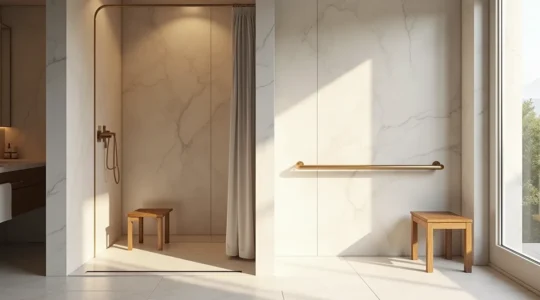
Linear Drain vs. Center Drain: Which Is Best for a Zero-Entry Shower Slope?
The choice between a linear and center drain is not about aesthetics; it is the core engineering decision that defines your shower’s entire hydro-dynamic integrity. A linear drain permits a simple, single-plane slope, which is structurally sounder and allows for…
Read more
What Is the ROI of a Universal Design Bathroom Remodel When Selling Your Home?
The highest return on a universal design bathroom remodel comes from architectural choices that create invisible accessibility, not from simply adding adaptive equipment. Investing in foundational elements like superior waterproofing and reinforced walls provides documented, long-term value that appeals to…
Read more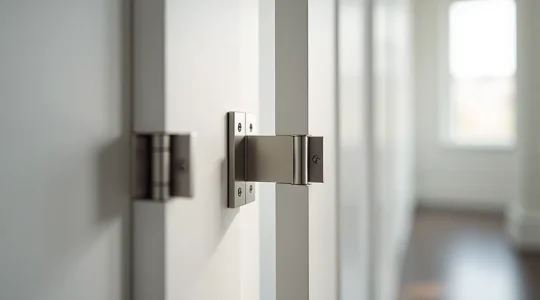
Standard vs. Offset Hinges: How to Gain 2 Inches of Doorway Width Without Tearing Down the Frame?
The 2 inches of extra doorway clearance you need for a walker or wheelchair are often already there, hidden by inefficient standard hinges. Instead of costly demolition, a simple hardware swap to offset or swing-clear hinges can reclaim this “hidden…
Read more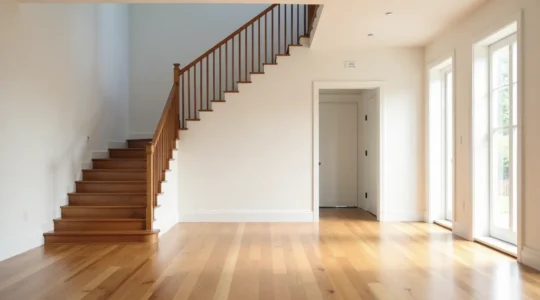
Stairlift vs. Home Elevator: Which Investment Adds More Resale Value to Your Property?
The decision is not about mobility; it’s about asset appreciation. A home elevator is a capital improvement that can boost value by 10-25%, while a stairlift is often a depreciating medical expense that negatively impacts buyer perception. Stairlifts, especially custom…
Read more
How to Design an Open Floor Plan That Accommodates a Wheelchair Before You Need One
Designing a “forever home” isn’t about adding accessibility features; it’s about subtracting future barriers from its architectural DNA. True accessibility is invisible, integrated into the structure through elements like flush floors and reinforced walls, not added on later as a…
Read more